The Cost of Tutoring in the UK 2026
The cost of tutoring in the UK in 2026 ranges from completely free to well over £100 per hour, and most parents have no clear idea what a reasonable price looks like. Having worked in a tutoring company, I can tell you that pricing in this industry is remarkably opaque. Tutors set their own rates with little standardisation, and parents often pay whatever they are quoted without knowing whether it represents good value.
This guide breaks down exactly how much tutoring costs across every level, subject, format, and region in the UK. More importantly, it shows you how to get effective academic support without spending thousands of pounds you may not need to.
Average Tutoring Rates by Level
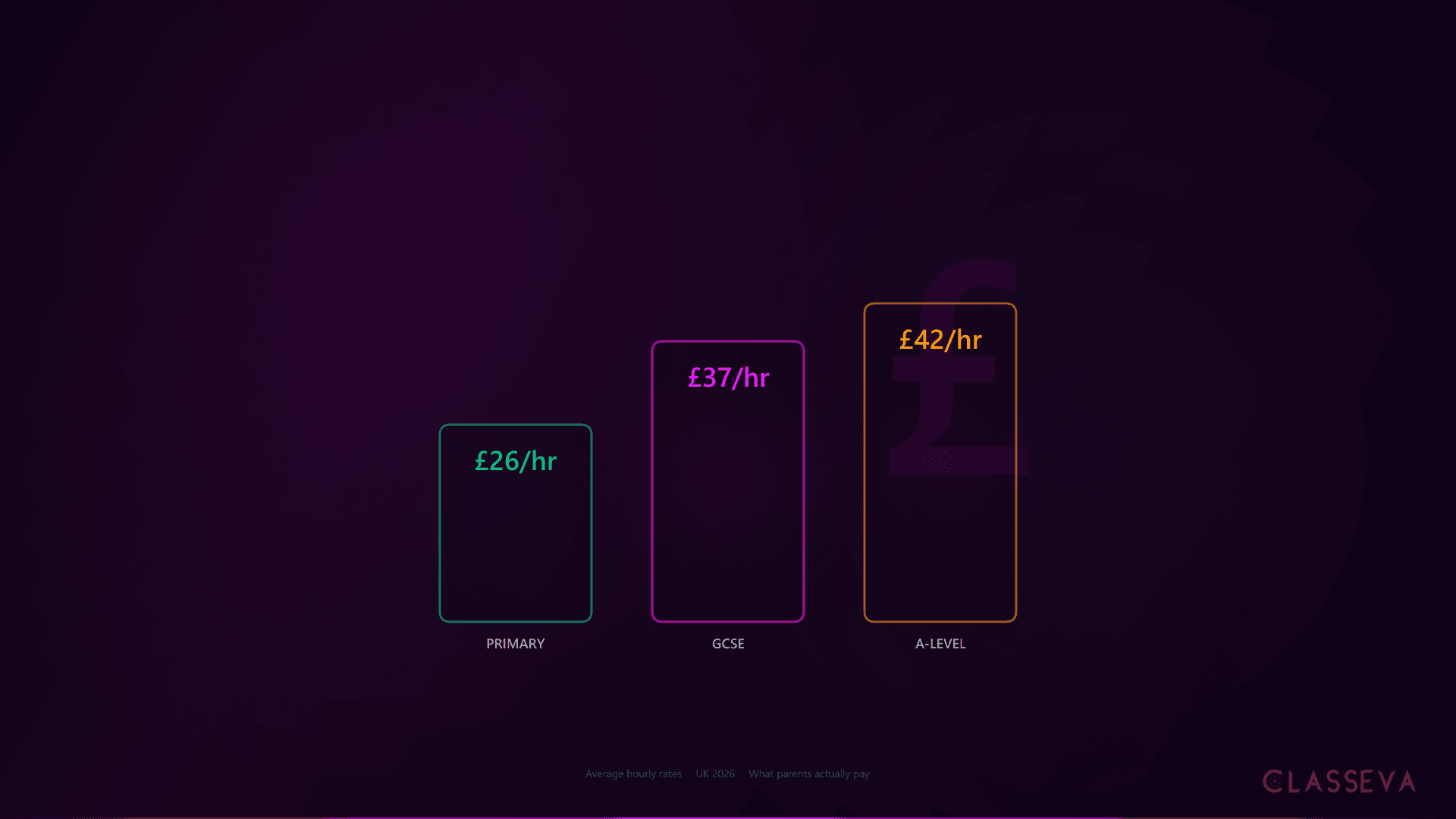
Tutoring prices vary significantly depending on whether your child is in primary school, preparing for GCSEs, or studying for A-Levels. The pattern is straightforward: the higher the level, the more tutors charge. This reflects both the greater subject expertise required and the higher stakes involved.
Primary School Tutoring
Primary school tutoring, including KS2 SATs preparation, typically costs between £21 and £32 per hour. This is the most affordable level because the content is accessible to a wider pool of tutors. If your child needs help with Year 6 SATs, you can expect to pay towards the higher end of that range, particularly for experienced tutors who specialise in 11+ preparation.
If you are in a grammar school area, 11+ tutoring sits in its own price bracket at £35 to £45 per hour (Tutorful reports an average of £41.12). The competitive nature of grammar school admissions and limited tutor availability push prices higher than standard primary tutoring.
GCSE and A-Level Tutoring
GCSE tutoring costsbetween £31 and £39 per hour on average. Tutorful reports the national average at £35.86, while Those Who Can Teaching puts it closer to £38. The range depends heavily on the tutor's experience, qualifications, and location.
A-Level tutoringis more expensive, averaging £35 to £50 per hour. Tutorful's data puts the average at £41.88. A-Level content requires deeper subject knowledge, and the pool of qualified tutors is smaller, which pushes prices up.
| Level | Typical Range | Average |
|---|---|---|
| Primary (KS1/KS2) | £21–£32/hr | ~£26/hr |
| 11+ Preparation | £35–£45/hr | ~£41/hr |
| GCSE | £31–£39/hr | ~£36–£38/hr |
| A-Level | £35–£50/hr | ~£42/hr |
| University | £40–£60/hr | ~£50/hr |
Sources: Tutorful, TutorCruncher, Those Who Can, FindTutors (2025/2026 data)
Specialist and Premium Tutors
At the top end, specialist tutors charge £60 to £150 per hour. These are typically Oxbridge graduates, examiners, or tutors with decades of experience working with high-achieving students. Agencies like The Profs start at £60 per hour. For most families, this level of expertise is unnecessary. A competent tutor at £35 to £45 per hour will deliver excellent results for GCSE and A-Level preparation.
How Subject Affects the Price
Not all subjects cost the same to tutor. The price difference comes down to supply and demand: subjects that require specialist knowledge but have fewer qualified tutors cost more. From my experience in the industry, I noticed that STEM subjects and economics consistently commanded the highest rates because the tutors who teach them well often have lucrative alternative careers.
Most and Least Expensive Subjects
| Subject | Average Hourly Rate |
|---|---|
| Economics | ~£50/hr |
| Physics | ~£43–£48/hr |
| Further Maths | ~£46/hr |
| Maths | ~£36/hr |
| English | ~£33–£38/hr |
| Spanish | ~£31/hr |
Source: Tutorful subject-specific pricing data (2025/2026)
Economics tutoring at around £50 per hour is the most expensive mainstream subject. Physics and further maths follow closely. Standard maths and English sit in the middle, and modern foreign languages like Spanish tend to be the most affordable. If your child needs help across multiple subjects, the subject mix will significantly affect your total spend.
If you can only afford tutoring in one subject, choose the one where your child has the biggest gap between their current working grade and their target. One subject tutored well will produce better results than three subjects tutored thinly. Our guide on when to get a tutor covers how to identify which subject needs it most.
Online vs In-Person vs Group Tutoring Costs
The format of tutoring has a major impact on price. Online tutoring became mainstream during the pandemic and has remained popular because it is genuinely cheaper without sacrificing quality. The tutor saves on travel, and those savings get passed on to parents.
Comparing Formats Side by Side
In-Person (1:1)
- •£35–£50 per hour
- •Face-to-face at home or library
- •Travel time adds to tutor cost
- •Best for younger children who need physical presence
Online (1:1)
- •£25–£40 per hour
- •Video call with shared whiteboard
- •No travel costs for either party
- •Access to tutors nationwide, not just local
Group (2–4 students)
- •£10–£25 per student per hour
- •Cost split between families
- •Less personalised attention
- •Works well for exam technique and revision
Online tutoring is typically £5 to £10 cheaper per hourthan in-person sessions. For a student having one session per week over a 39-week academic year, that difference adds up to £195 to £390 in savings. Group tutoring cuts costs further, though your child shares the tutor's attention with others.
How Location Affects Tutoring Prices
Where you live in the UK has a noticeable effect on private tutor prices. London and the South East command the highest rates, while cities in the North of England tend to be cheaper. The good news is that online tutoring eliminates location-based pricing entirely, giving families in expensive areas access to tutors charging lower rates elsewhere.
Highest and Lowest Cost Areas
| Location | Average Hourly Rate |
|---|---|
| Hampshire | ~£39.56/hr |
| London | ~£38–£40/hr |
| Surrey | ~£38/hr |
| Manchester | ~£38/hr |
| Leeds | ~£17–£35/hr |
| Sheffield | ~£17–£32/hr |
Sources: TutorCruncher, FindTutors (2025/2026 data)
Hampshire tops the list at nearly £40 per hour on average, closely followed by London, Surrey, and Manchester. Sheffield and Leeds are among the most affordable areas. If you live in a high-cost region, switching to online tutoring with a tutor based in a lower-cost area could save you 15 to 20% immediately.
The Real Monthly and Annual Cost
Hourly rates only tell part of the story. What parents actually need to know is what tutoring will cost them per month and per year. These are the numbers that matter for family budgeting, and they can be surprisingly high once you add up the weekly sessions.
Four Budget Scenarios for Families
The numbers are stark. Tutoring a single GCSE subject for one hour per week costs nearly £1,500 per year. Two subjects pushes the bill close to £3,000. For context, that is more than many families spend on their annual holiday.
At £38 per hour, tutoring two GCSE subjects for one hour each per week costs £304 per month or £2,964 per year. Many families do not realise this until they are already committed. Spotting the signs your child is struggling early can help you intervene before costs escalate.
The combined approach (AI tutoring for broad coverage plus a human tutor for one priority subject) costs roughly £170 per month. That gives your child personalised support across every subject while keeping the total bill well below the cost of two human tutors.
Free and Affordable Alternatives
Before spending anything on private tutoring, exhaust the free options. There is more high-quality free academic support available in the UK than most parents realise, and some of it is genuinely excellent.
School and Government-Funded Support
Your child's school almost certainly offers some form of free academic support. Intervention classes, breakfast revision sessions, after-school homework clubs, and lunchtime drop-in sessions are available at most secondary schools. The problem is that many parents do not know these exist because schools do not always advertise them well. Ask your child's form tutor or head of year what is available.
The National Tutoring Programme provides government-funded tutoring to eligible students, delivered through schools. If your child qualifies for Pupil Premium, they may be able to access free one-to-one or small-group tutoring sessions. Check with your school whether they participate.
Online Platforms and Apps
BBC Bitesize (free)
Comprehensive revision content for every GCSE and A-Level subject. Well-structured, accurate, and aligned with all major exam boards.
Physics and Maths Tutor (free)
Past papers, revision notes, and worked solutions for GCSE and A-Level maths and science. One of the most useful free resources available.
Khan Academy (free)
Video explanations of concepts from primary maths through to A-Level. The content is American, but maths concepts are universal.
Seneca Learning (free tier)
Spaced repetition platform covering most GCSE and A-Level subjects. The free tier is substantial; premium costs £5 per month.
AI tutoring platforms
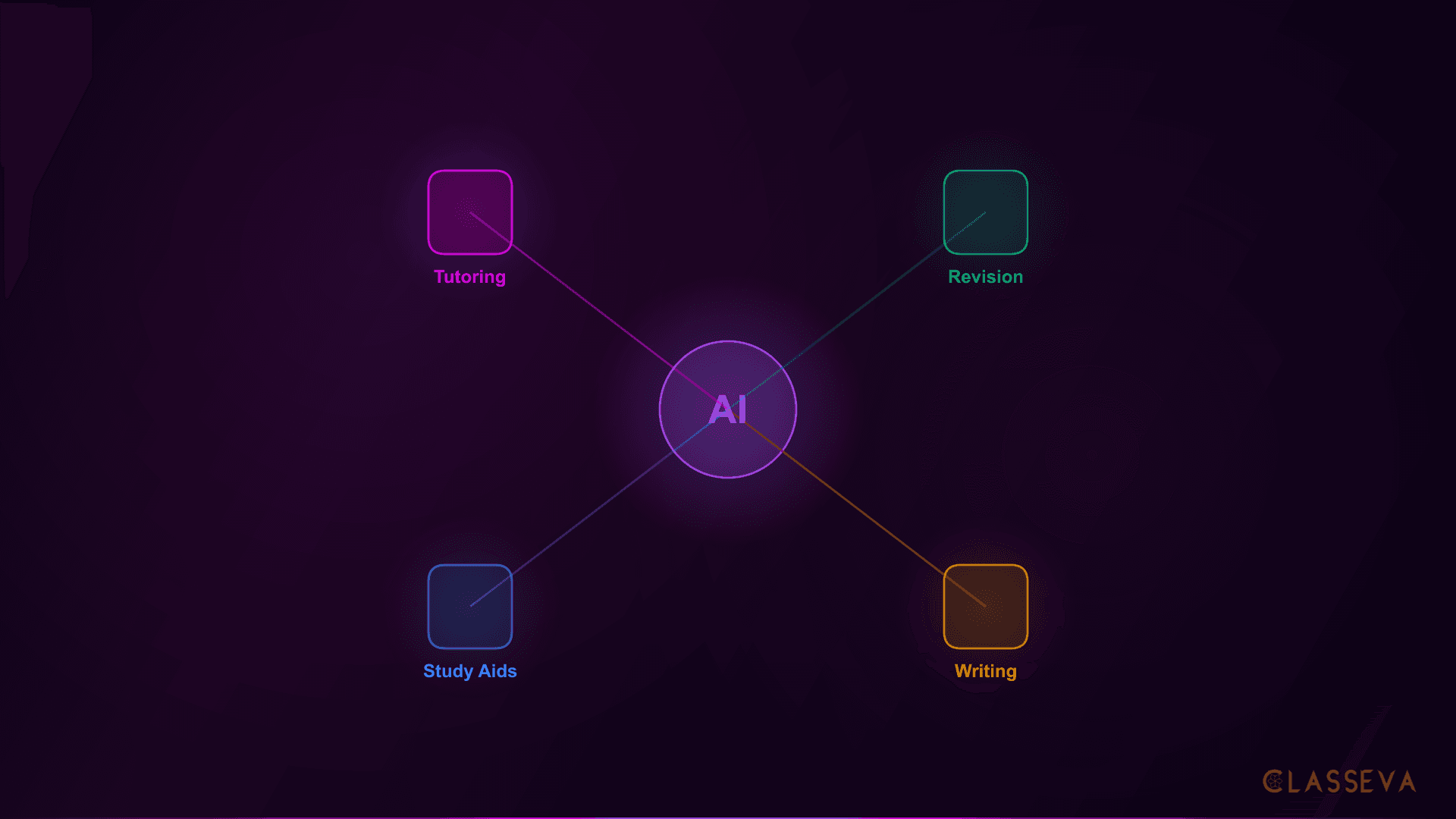
Platforms like Classeva offer personalised AI tutoring aligned with UK exam board specifications at a fraction of human tutor costs.
For a comprehensive rundown of free and paid resources, see our guide to the best GCSE revision resources for 2026 and best A-Level revision resources.
One pattern I saw repeatedly in tutoring was parents jumping straight to expensive private tutors when their child had never tried structured revision with free resources. A student using BBC Bitesize, past papers, and active recall techniques systematically will often improve more than one who passively sits through a weekly tutoring session. Effective revision techniques matter more than how much you spend.
How to Get Better Value from Tutoring
If free resources are not enough and your child needs a human tutor, there are practical ways to reduce the cost without compromising on quality. Having seen the pricing from inside a tutoring company, I can tell you that what parents pay often includes significant agency margins, and there are smarter ways to spend.
Practical Tips to Reduce Costs
Ask about block booking discounts
Many tutors offer 5 to 10% off when you pre-purchase a block of 10 or more sessions. Over a year, that saves £75 to £150 on a single subject.
Choose online over in-person
Online tutoring is typically £5 to £10 cheaper per hour. Over 39 weeks, that is £195 to £390 saved with no drop in quality for most subjects.
Consider group tutoring with another family
Splitting a session between two students halves the per-student cost. This works particularly well for exam technique practice and revision sessions.
Focus on one or two subjects maximum
The biggest budget mistake is trying to tutor every weak subject. Pick the one or two with the biggest improvement potential and use free resources for the rest.
Set a budget and communicate it to the tutor
Good tutors can work with your budget by adjusting session length or frequency. A 45-minute session is often just as productive as a full hour.
The Combined Approach
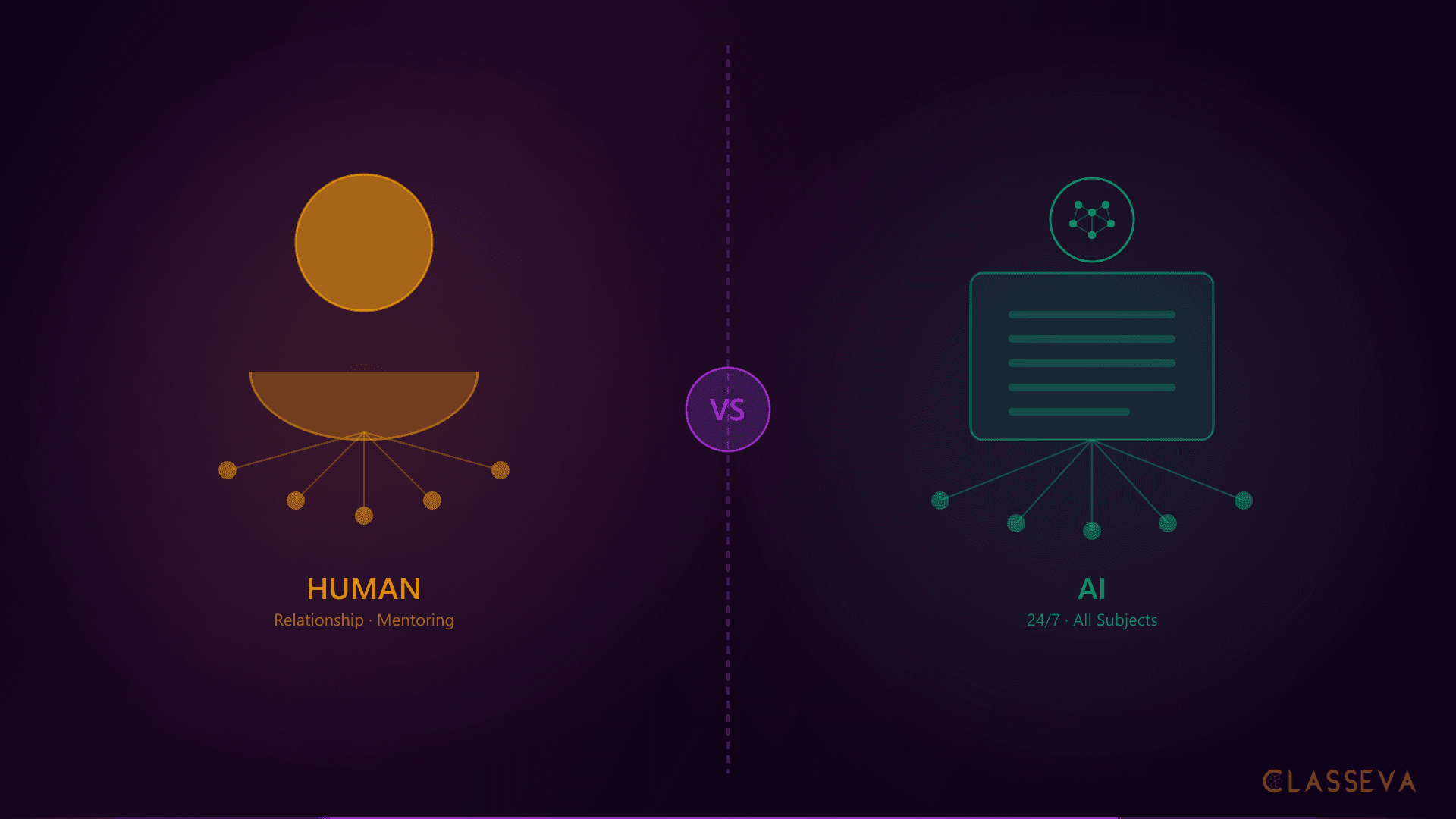
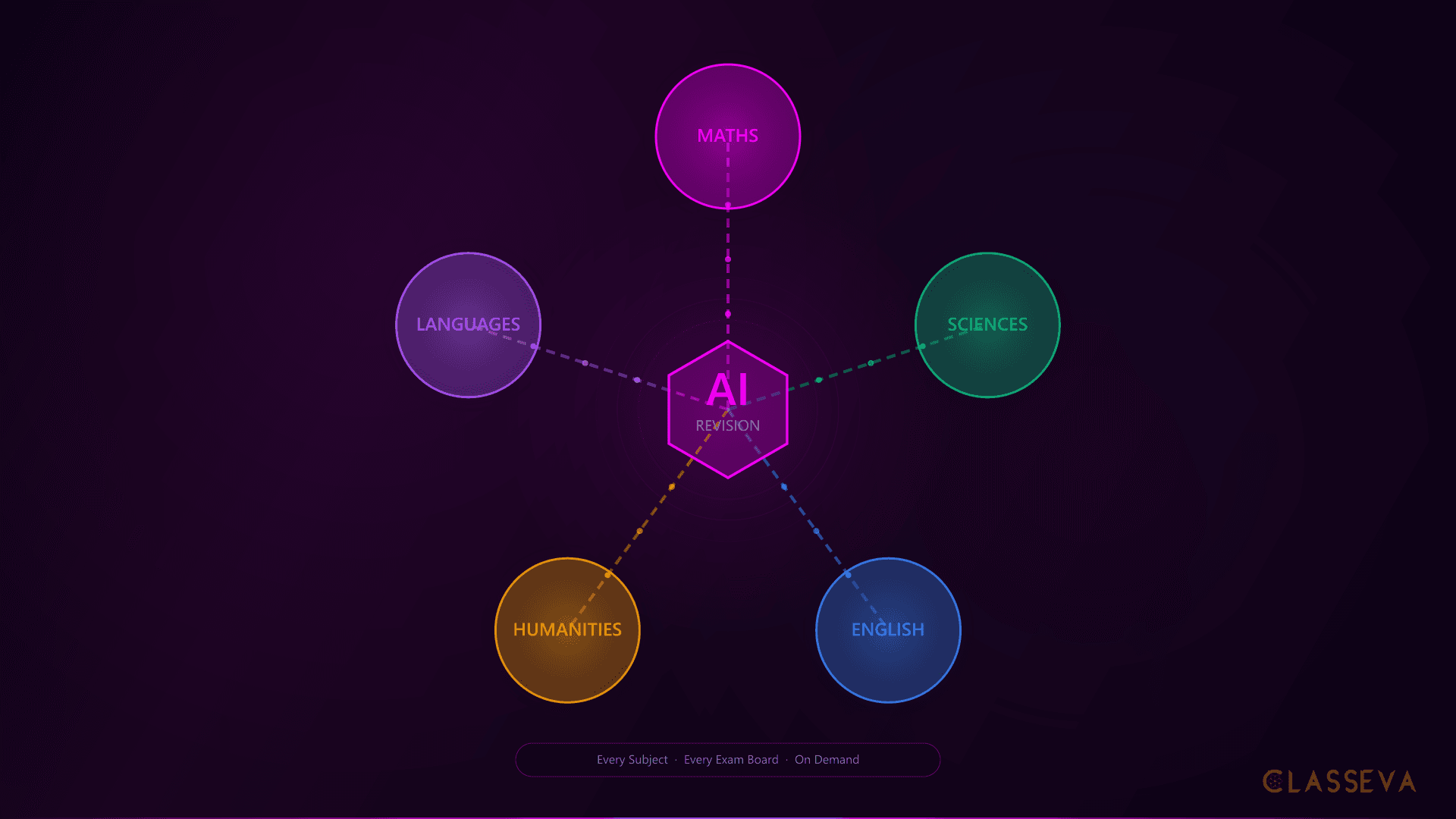
The approach I recommend to most families is a combination: use AI tutoring for broad, everyday support across all subjects, and invest in a human tutor for the one subject where your child needs the most help. This gives your child access to personalised help whenever they need it (not just for one hour on Tuesday evenings) while keeping costs manageable.
Human Tutor Only
- •1 subject covered for £1,482/year
- •Other subjects get no support
- •Help only during scheduled sessions
- •Quality varies by individual tutor
Combined (AI + Human)
- •All subjects covered by AI tutoring
- •1 key subject with human tutor
- •AI help available 24/7 for any topic
- •Total cost roughly £2,040/year
Research from the Sutton Trust consistently shows that students from affluent backgrounds are significantly more likely to receive private tutoring. Around 30% of students aged 11 to 16 have received private tutoring at least once. The cost barrier means tutoring risks widening the achievement gap. Affordable alternatives like AI tutoring and free resources are critical for ensuring every child can access quality academic support.
If you are weighing up the differences between human and AI support, our AI tutor vs human tutor comparison breaks down the strengths of each. And if you want to understand how AI tutoring actually works in practice, our guide to AI tutoring explains the technology behind it.
If your family can afford £150 to £200 per month for academic support, the combined approach (AI tutoring for all subjects plus a human tutor for one priority subject) offers the best coverage. If your budget is under £50 per month, focus entirely on free resources and an AI tutoring subscription, which will still provide significant support.
The most important thing to remember about tutoring costs in the UK is that spending more does not automatically mean better results. A student who actively engages with a £10-per-month AI tutor, uses free past papers, and follows proven revision techniques will outperform a student who passively sits through £50-per-hour sessions. Smart spending, not maximum spending, is what produces results.